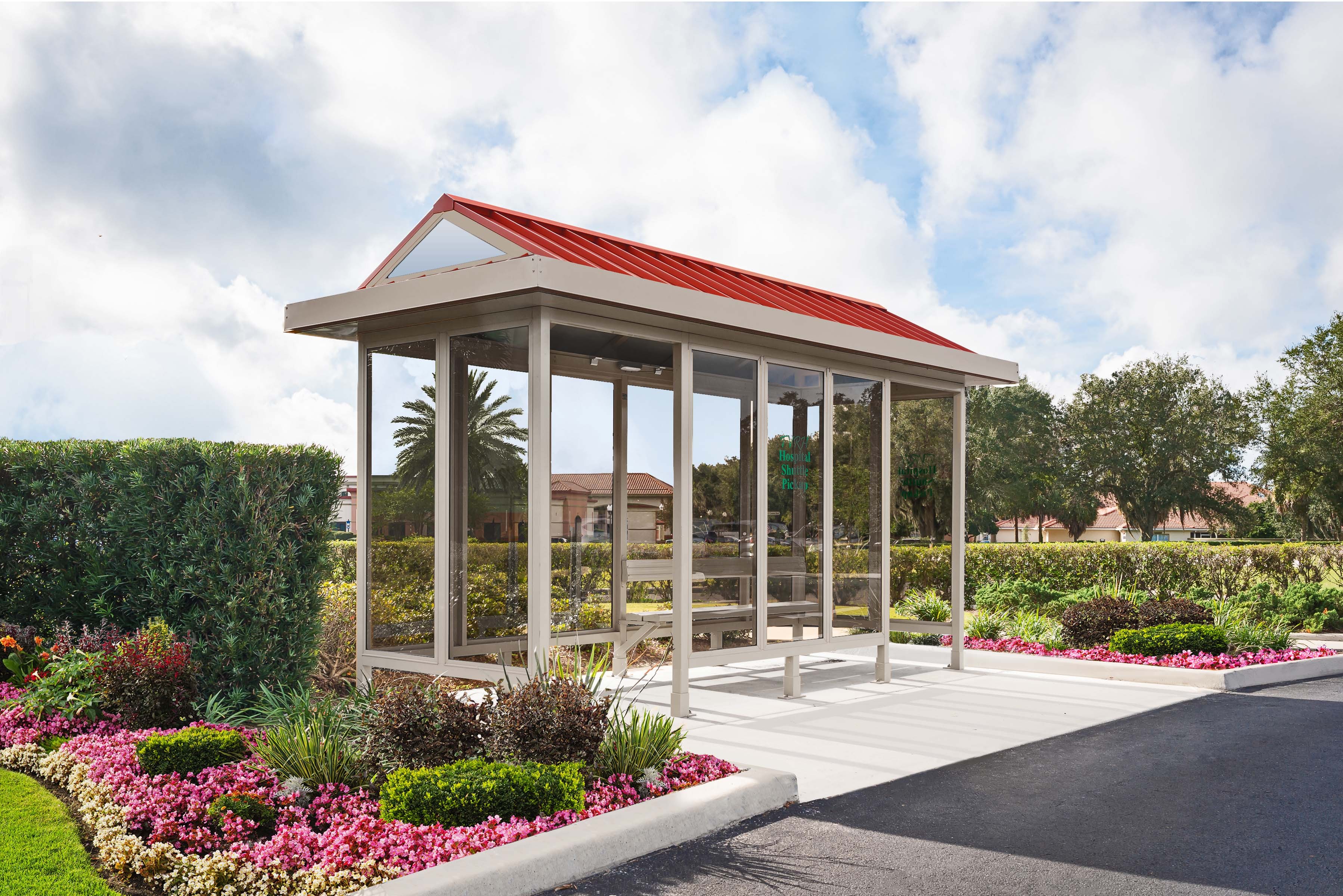
Bus Shelter Design

A bus shelter is primarily aimed at providing maximum comfort to the commuters from rough weather conditions and also to provide a better infrastructural look to the city. As a result, bus shelters are being installed in different parts of a city by civic authorities all over the globe. With the increase in number of bus shelters, bus shelter design becomes an important aspect of the process. A bus shelter design should typically define the overall infrastructural development of the city as well as serve the purpose of the general public as well.

Objective of bus shelter design

A bus shelter design should primarily serve four main objectives, which are as follows:

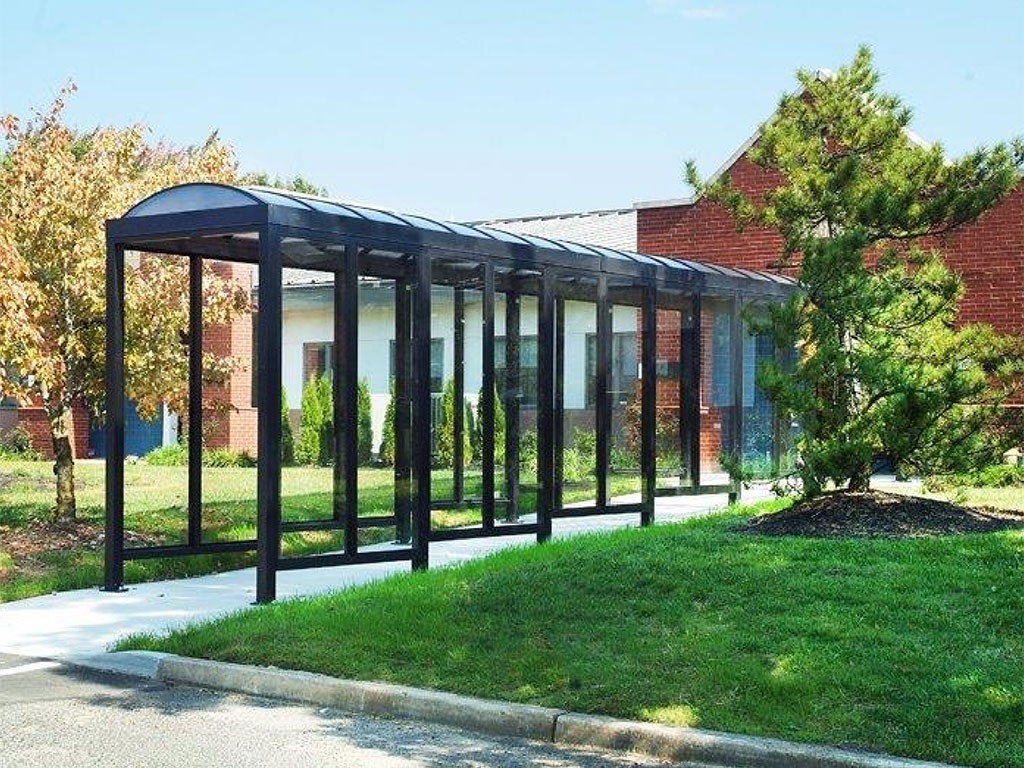
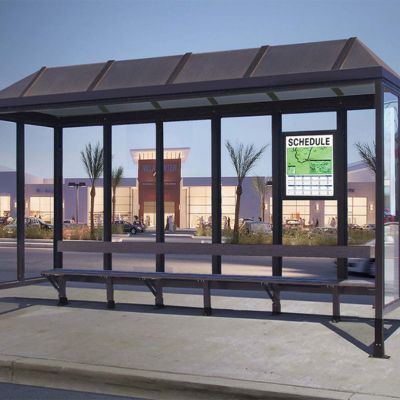
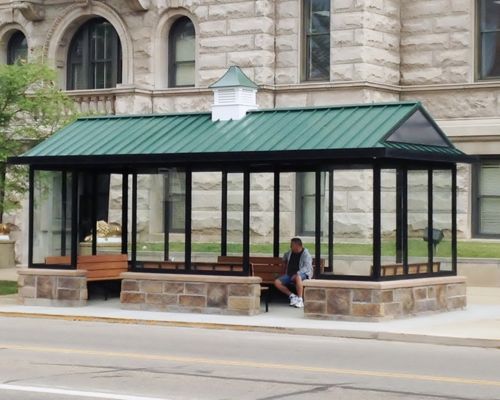
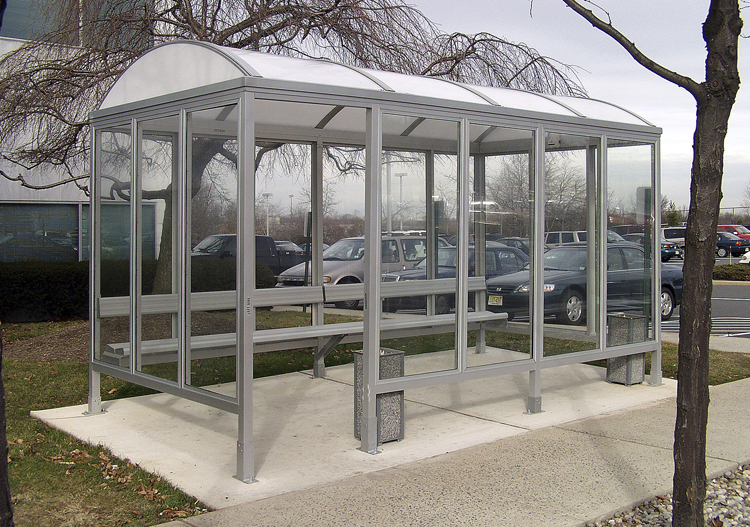
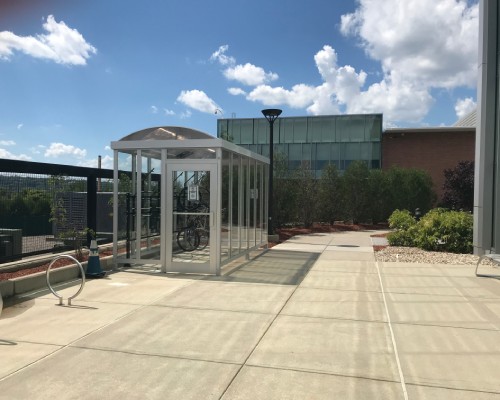
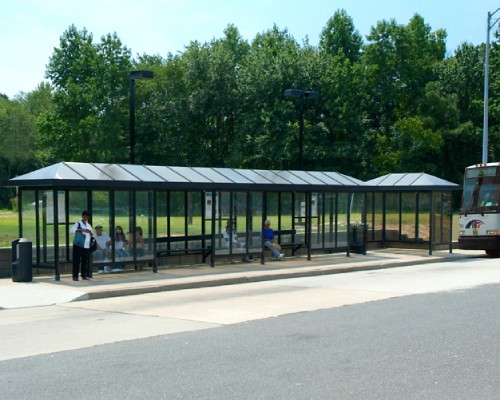
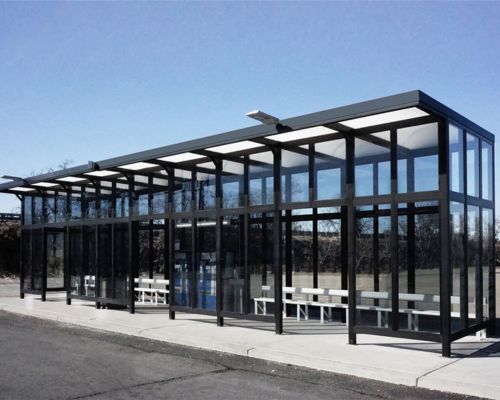
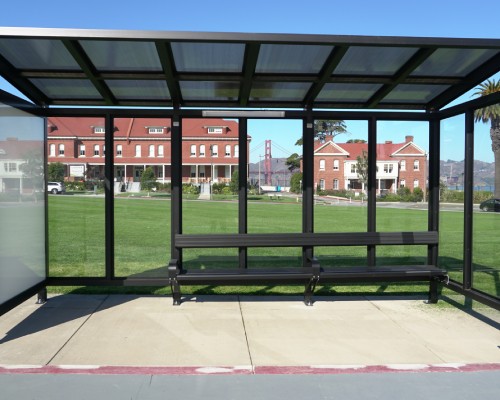
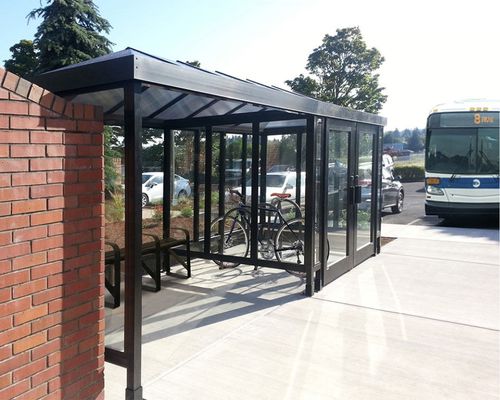
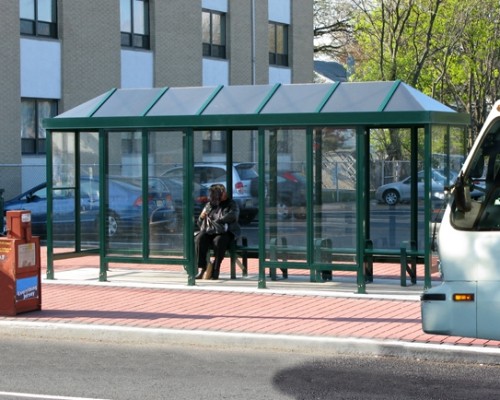
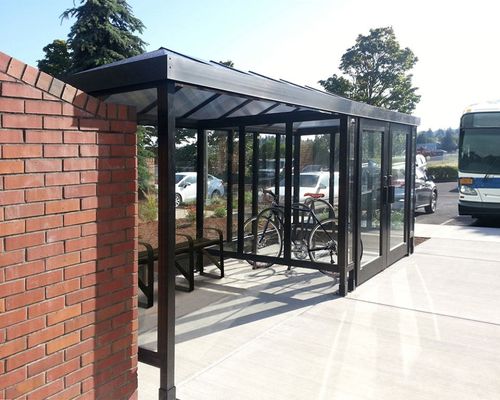
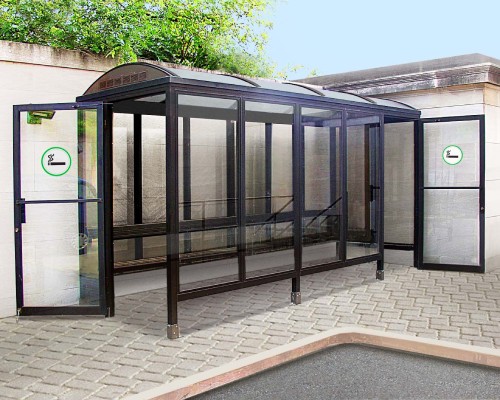
Visibility: the most important aspect in bus shelter design to be considered before its installation is the visibility factor. People should be clearly able to see the bus coming and should not be forced to step outside the shelter to locate the bus. Both seated as well as standing commuters should be able to spot the bus arriving from a distance, so that they can catch it easily.

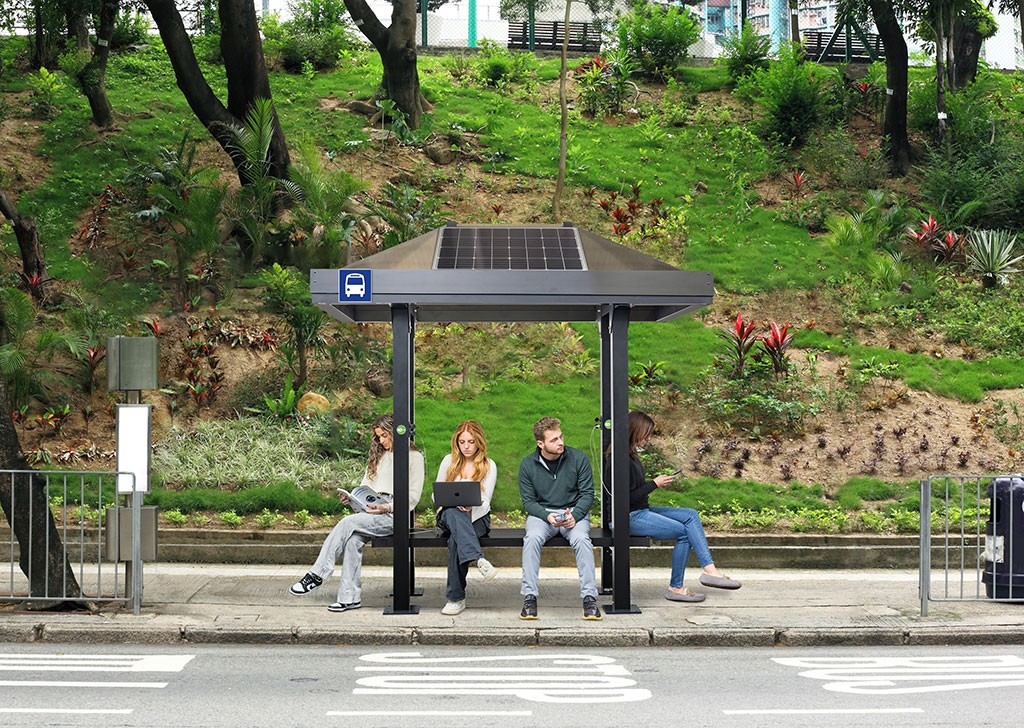
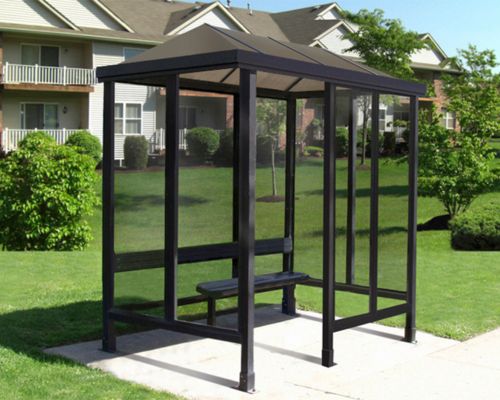
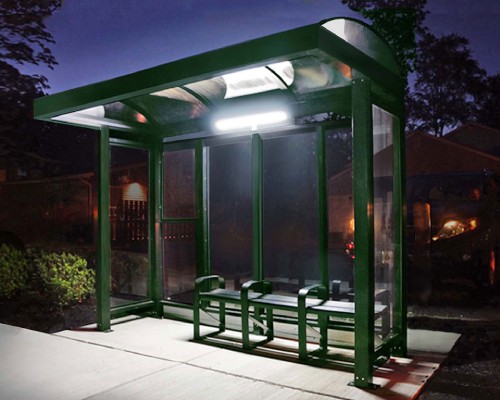
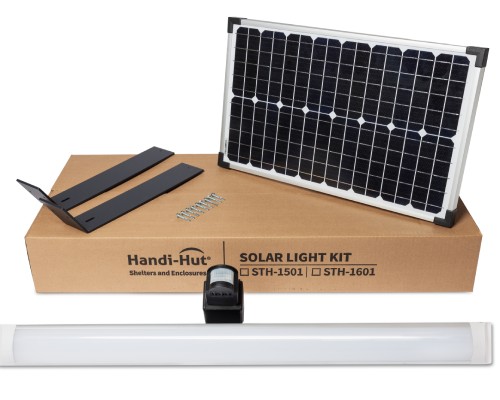
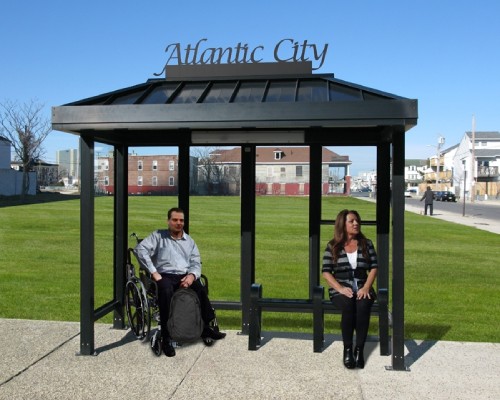
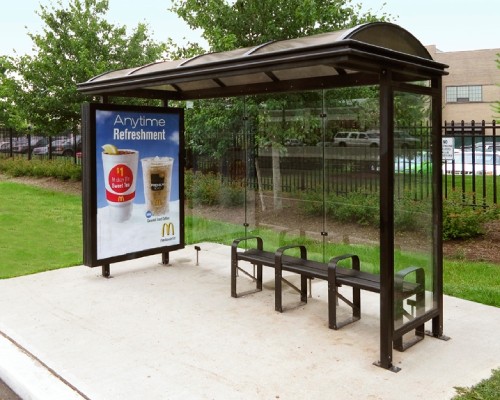
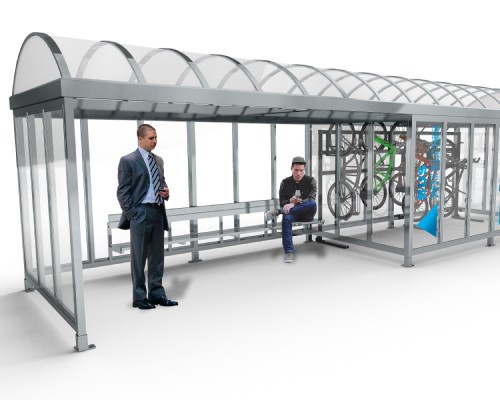
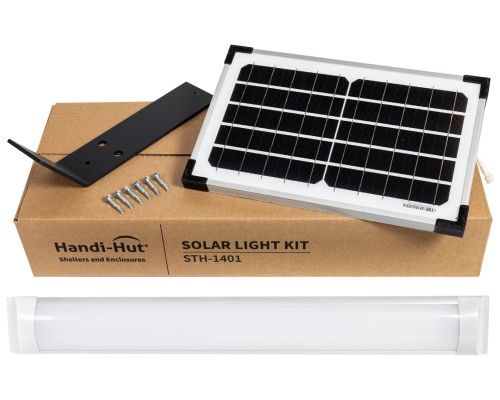
Comfort: another important aspect in bus shelter design is the comfort factor. There should be proper seating arrangements for commuters, air passage should be clear and it should not become suffocating if it’s a bit crowded and safety of passengers is a must. The bus shelter should be properly lit at night and people should also be well-guarded against weather hazards.

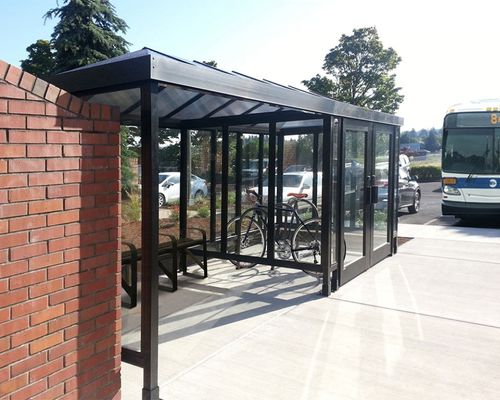
Accessible: the bus shelter should be designed in such a manner that people should comfortably be able to access the bus when it comes. The designing of the bus shelter should not obstruct the path.

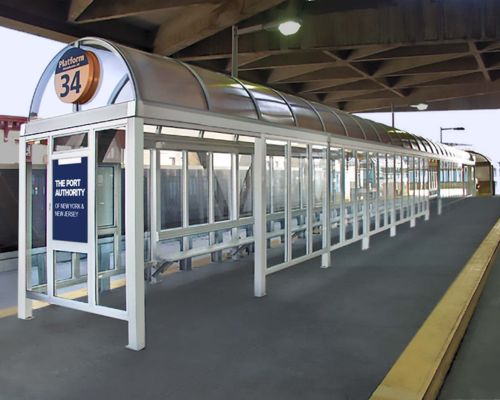
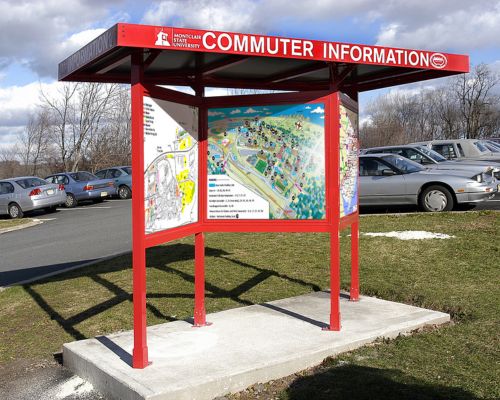
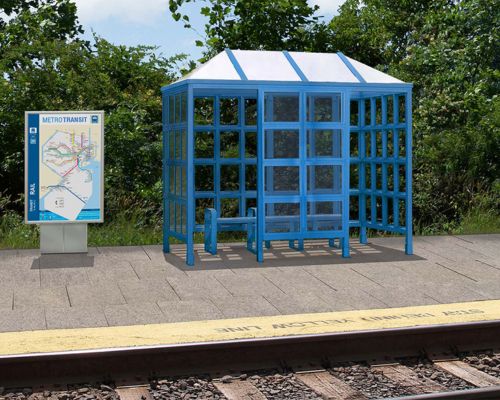
Bus route information: most commuters would like to know the schedule of the buses coming to that particular stop. So, an ideal bus shelter would have a proper time schedule as well as a route chart of the buses coming to that stop.
So, these are the four most significant features that should be considered while designing a good bus shelter.

About bus shelter design
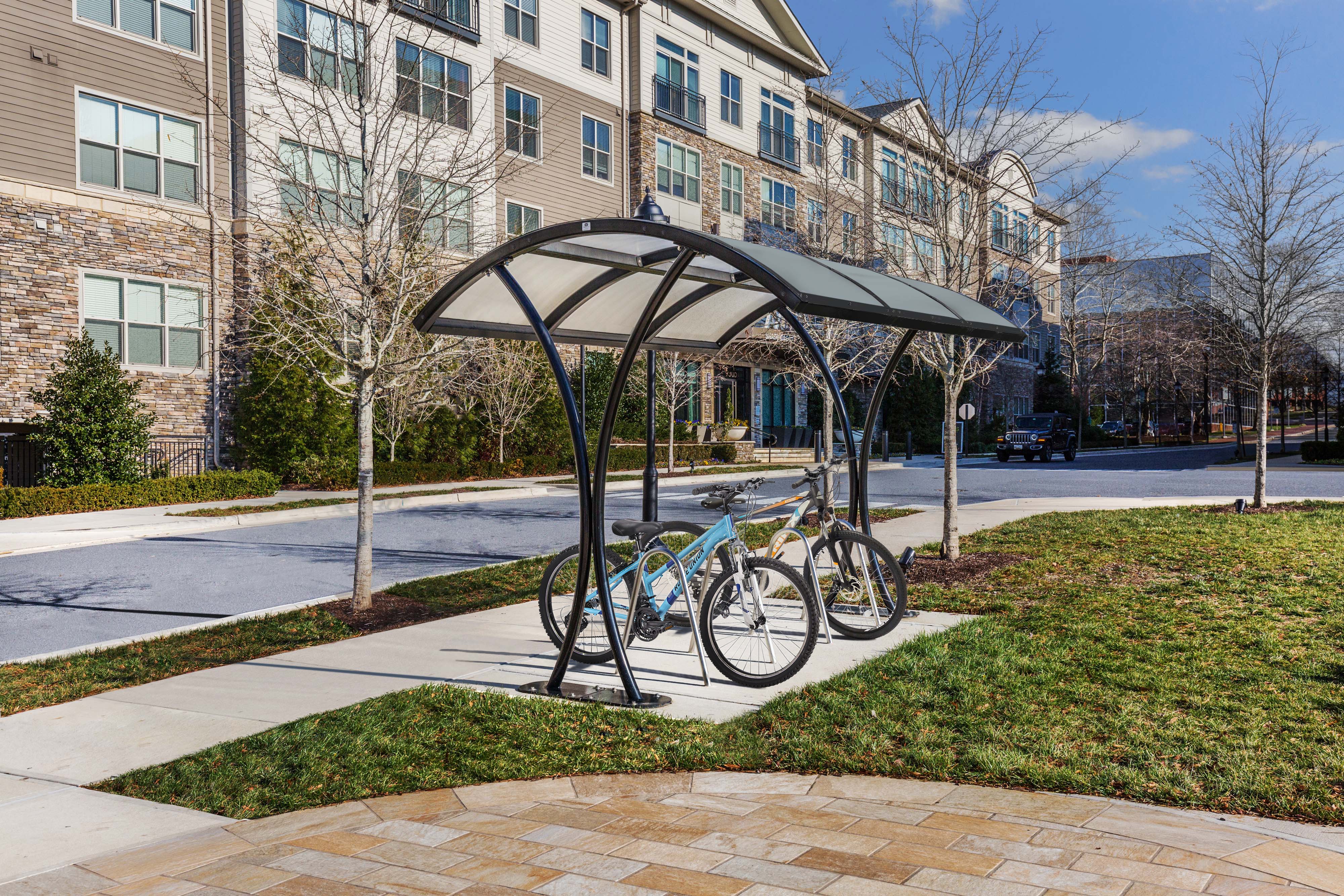
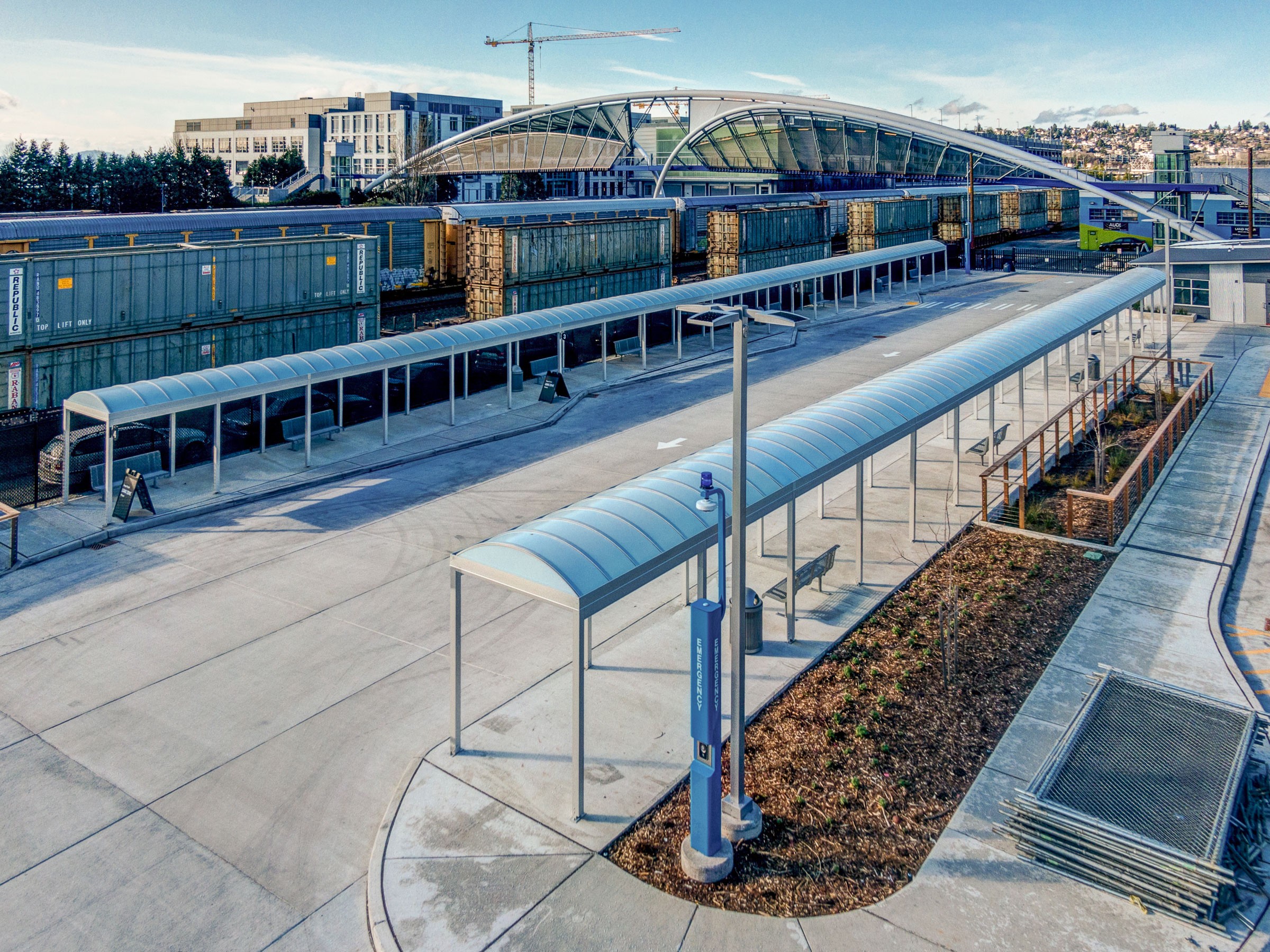
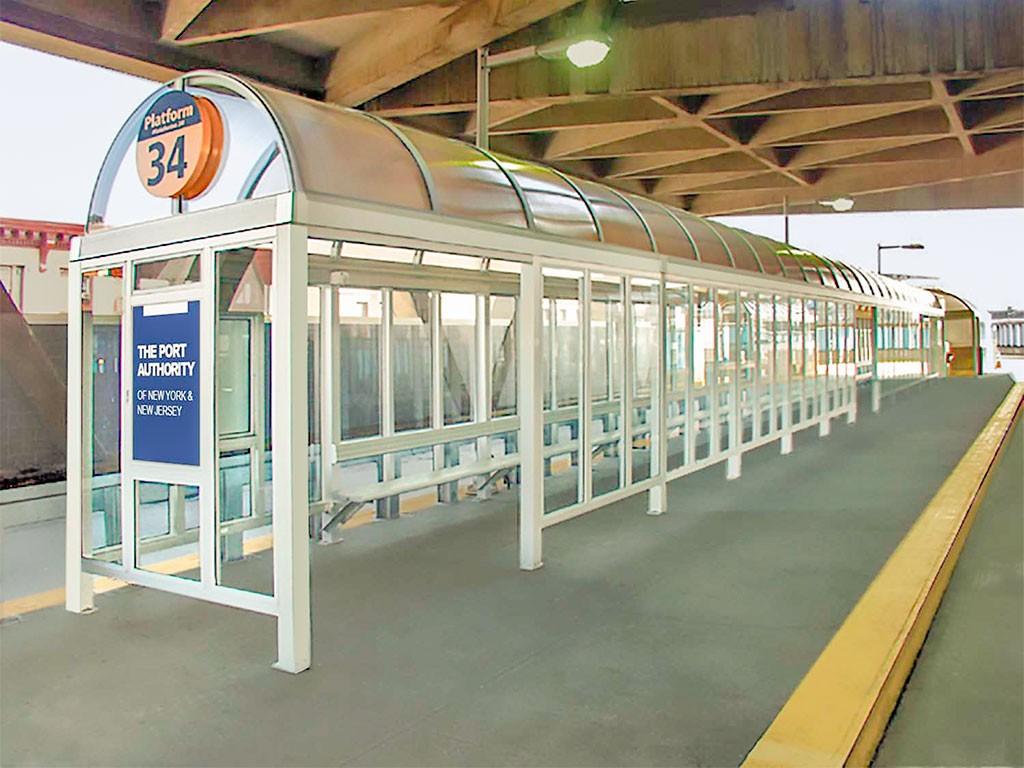
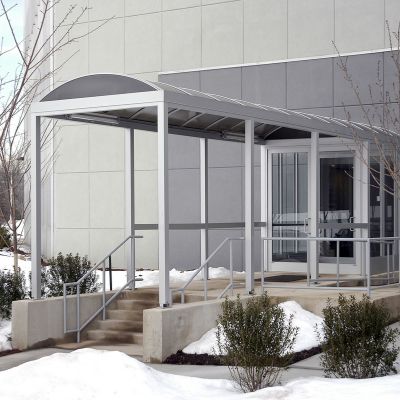
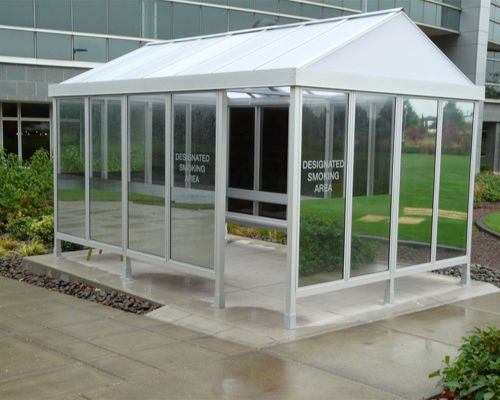
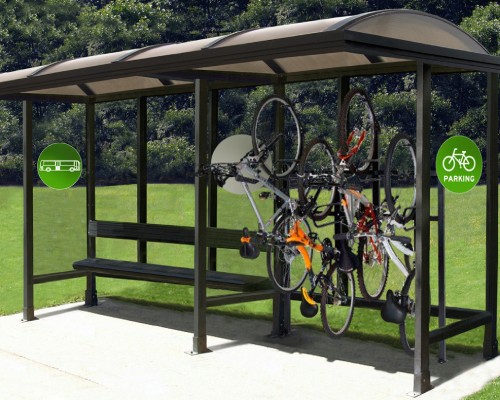
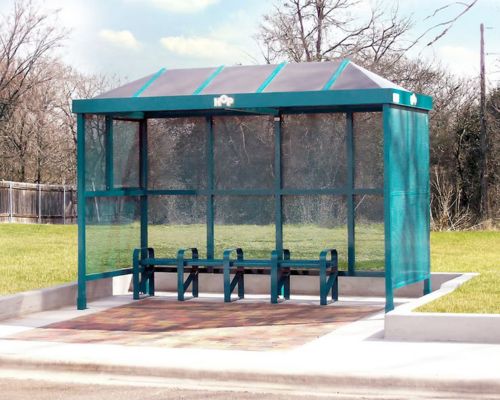
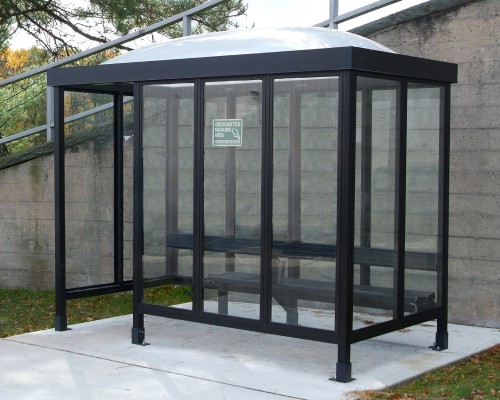
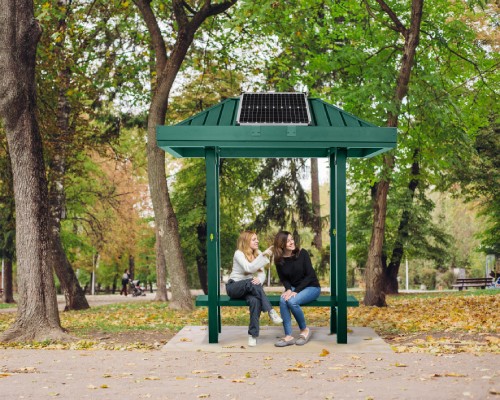
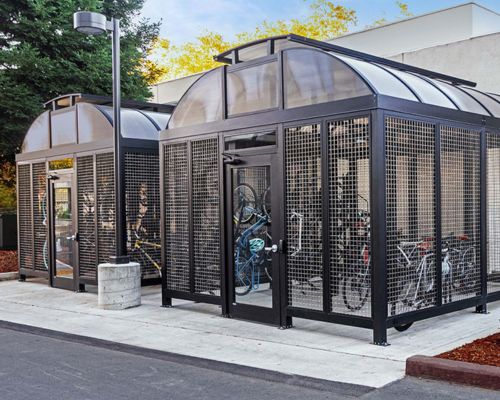
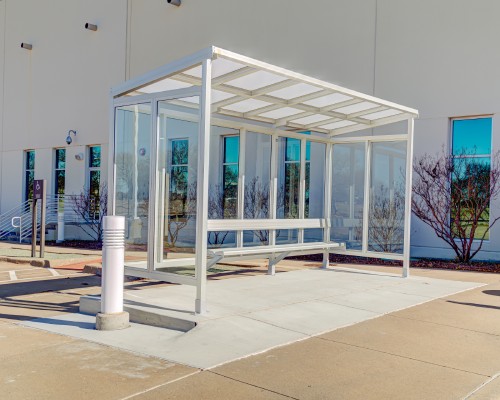
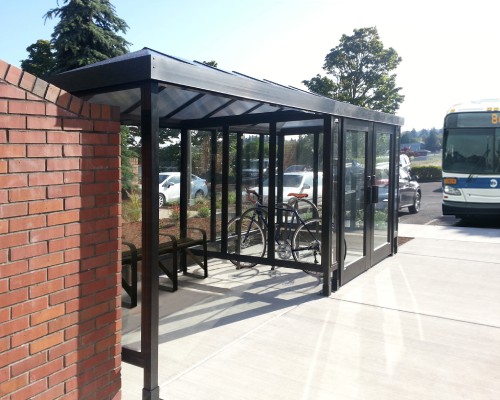
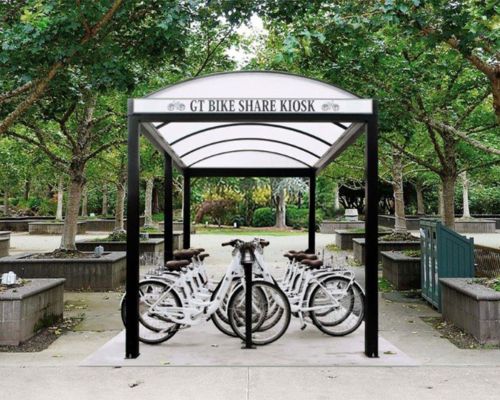
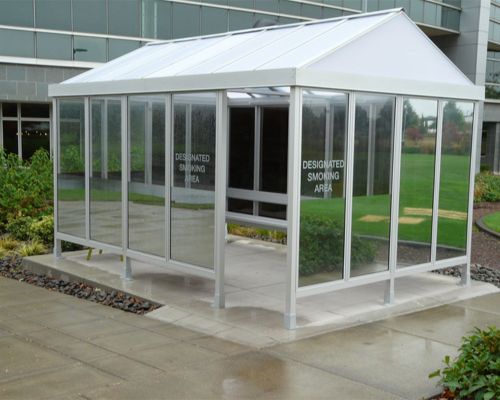
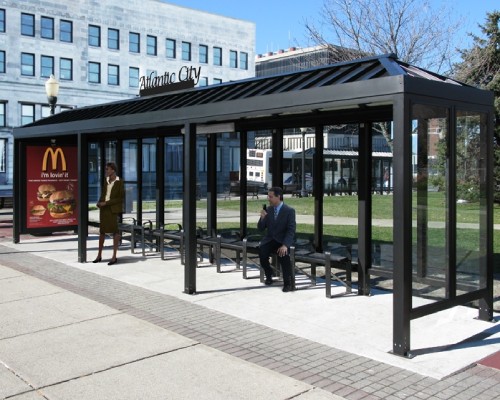
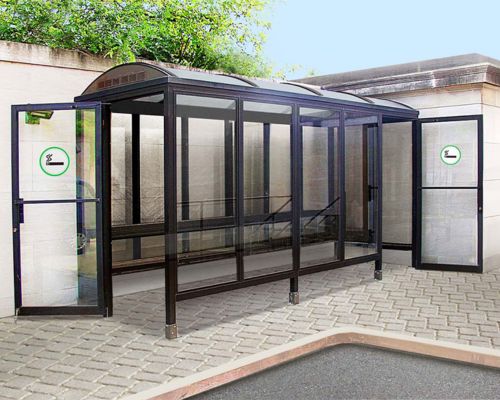
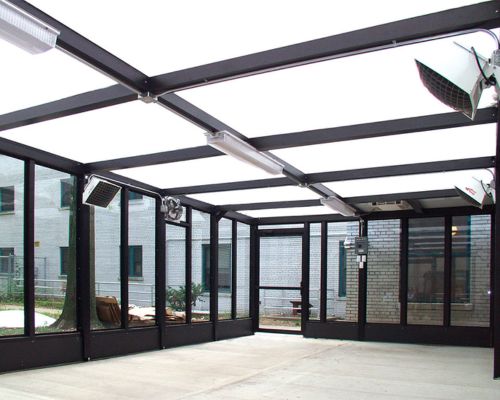
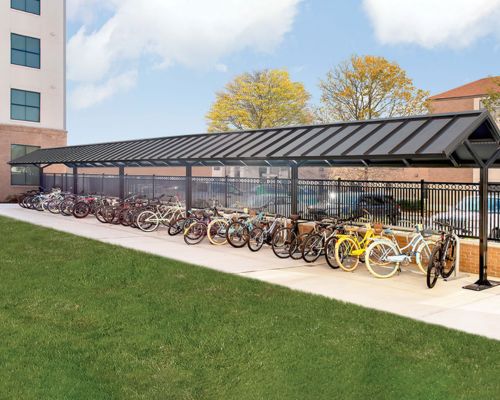
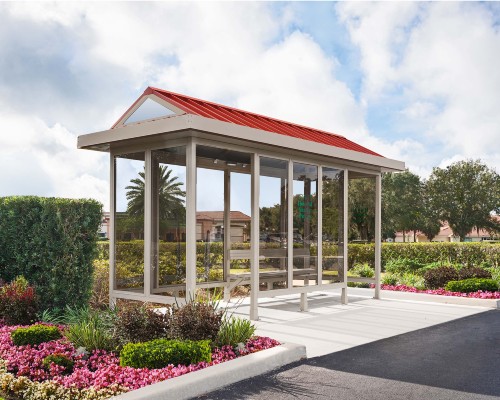
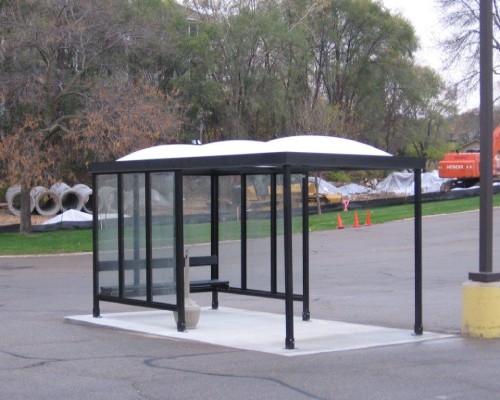
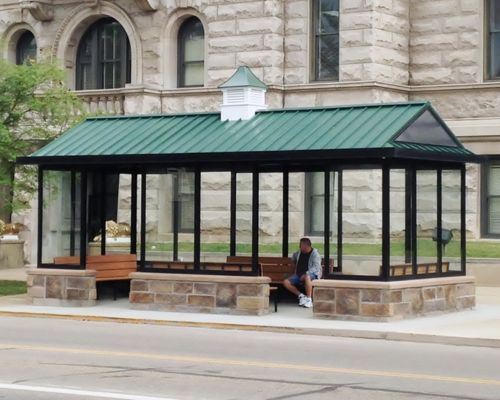
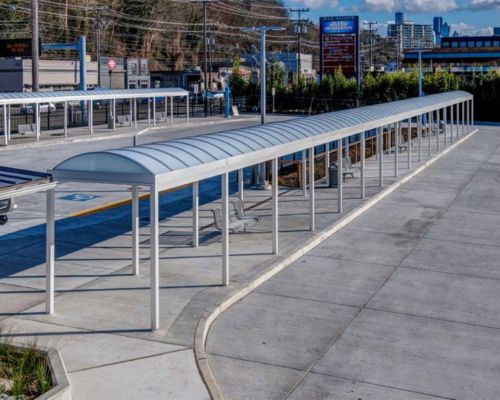
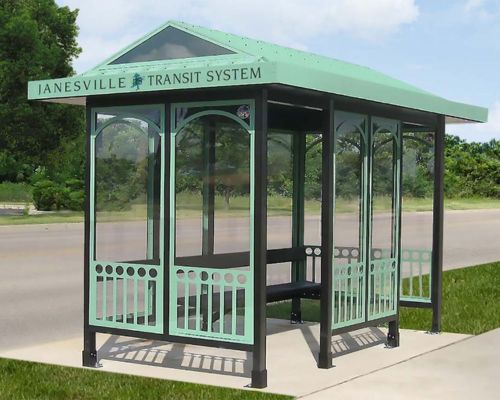
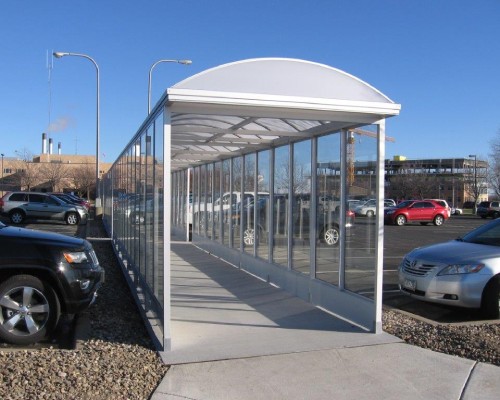
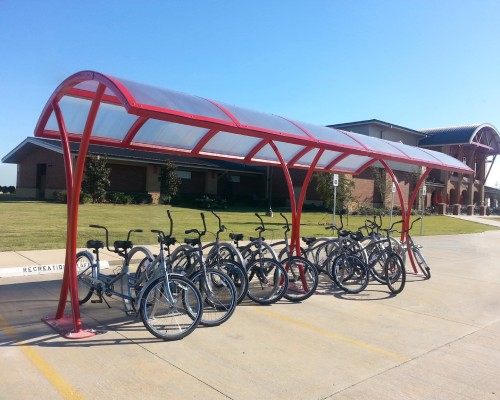
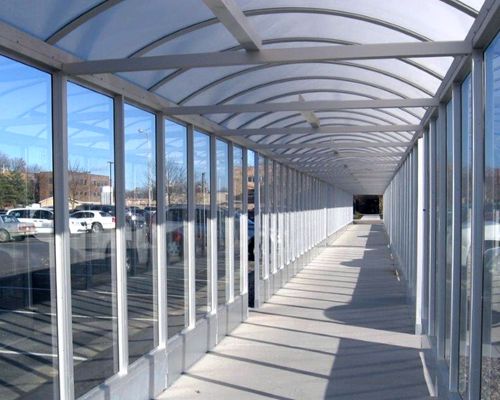
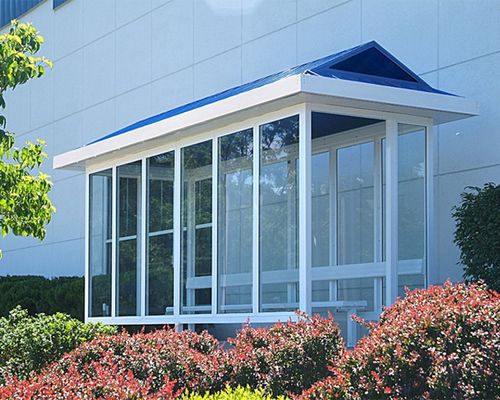
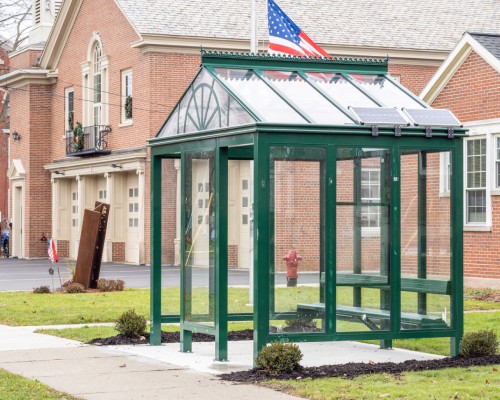
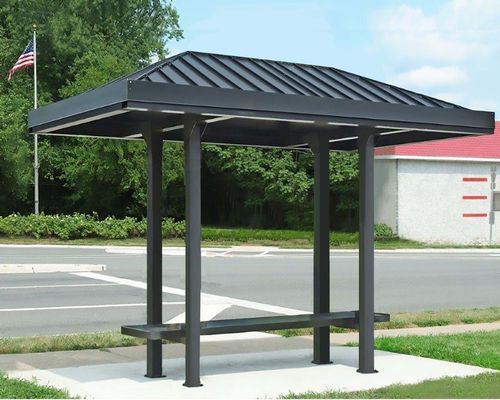
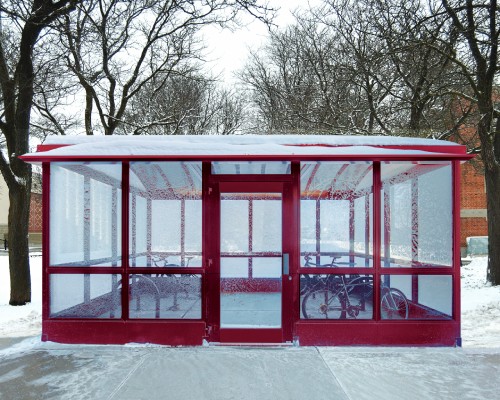
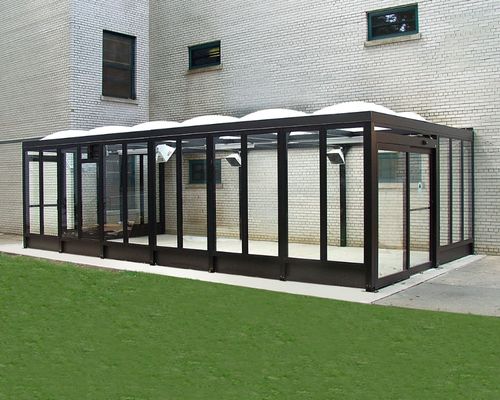
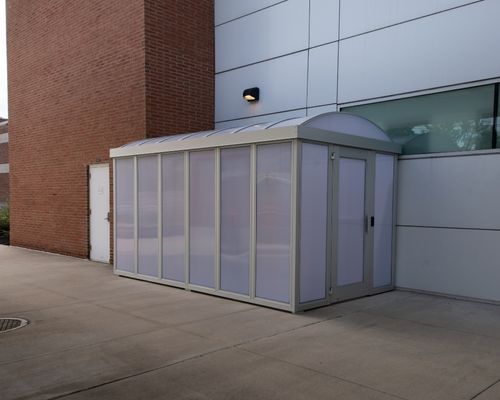
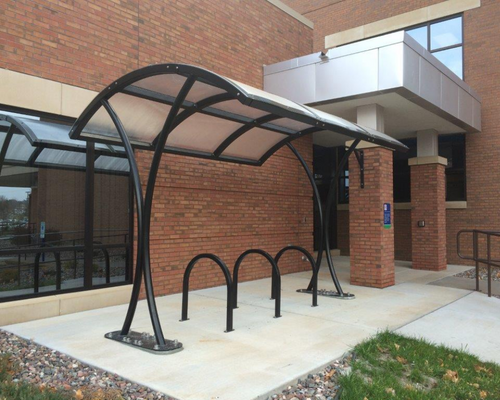
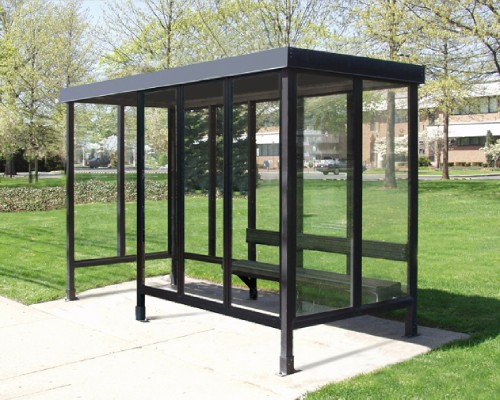
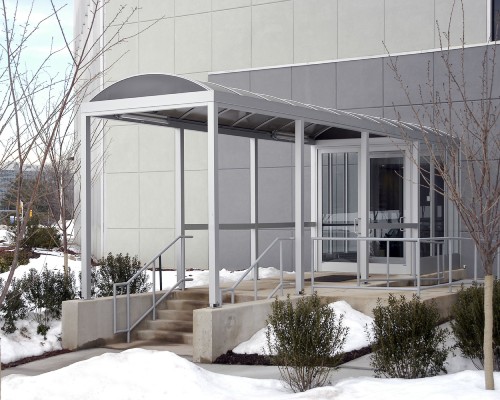
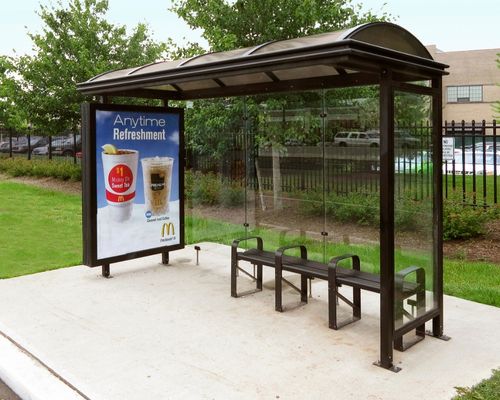
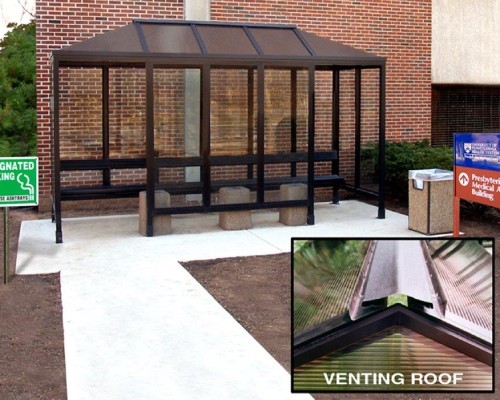
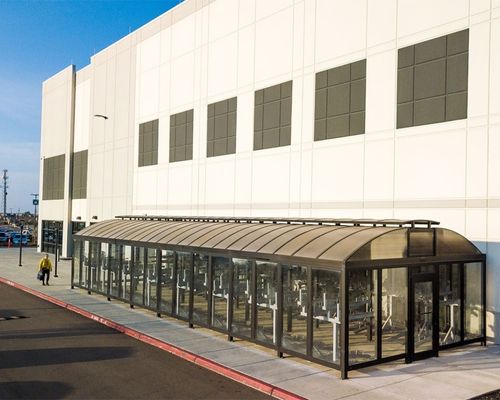
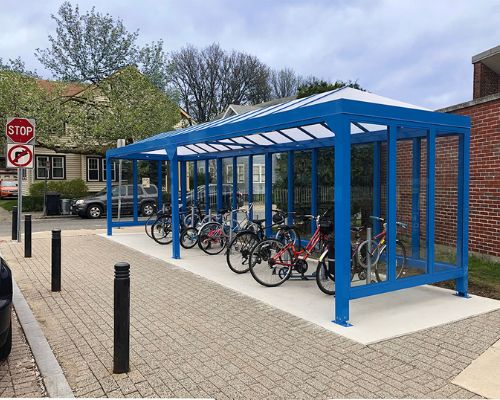
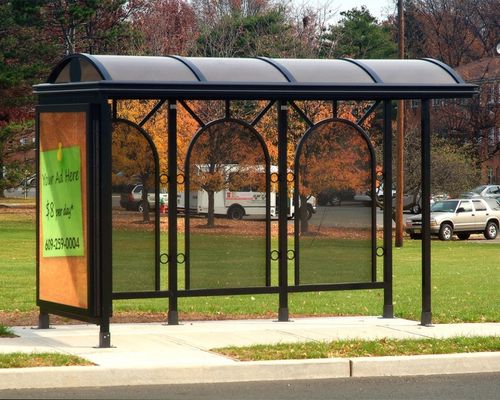
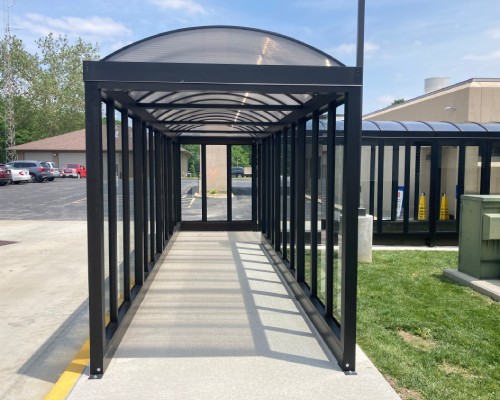
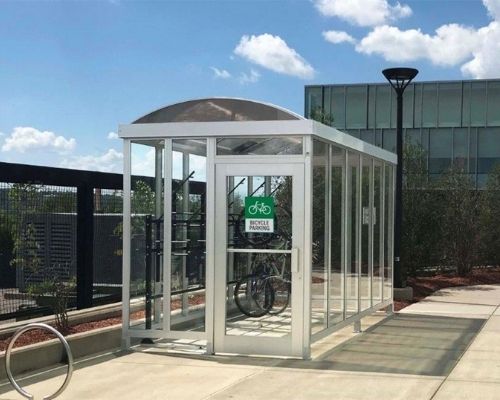
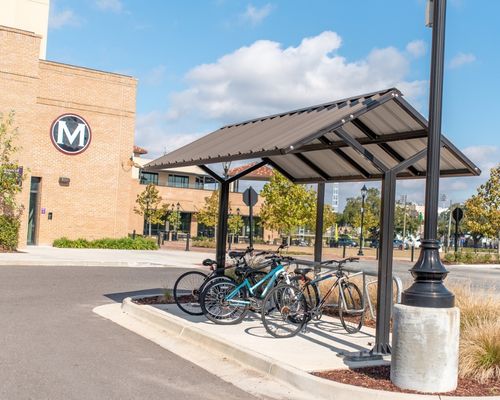
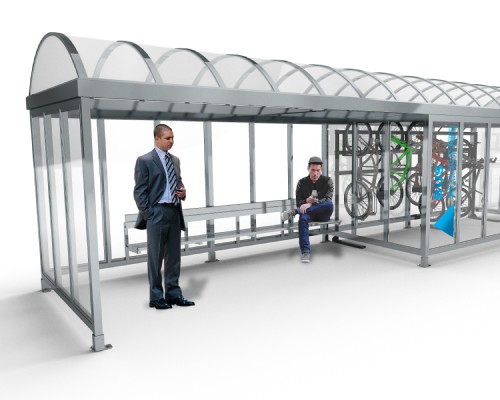
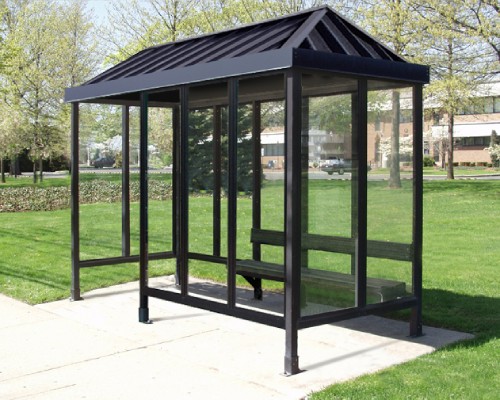
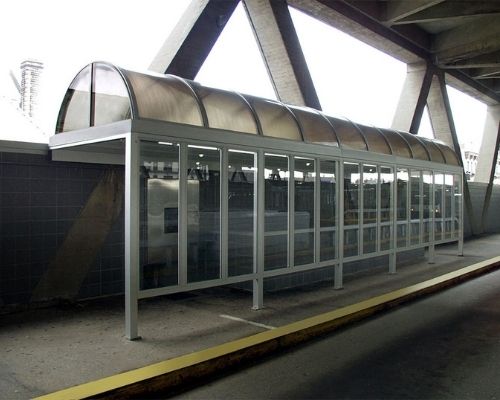
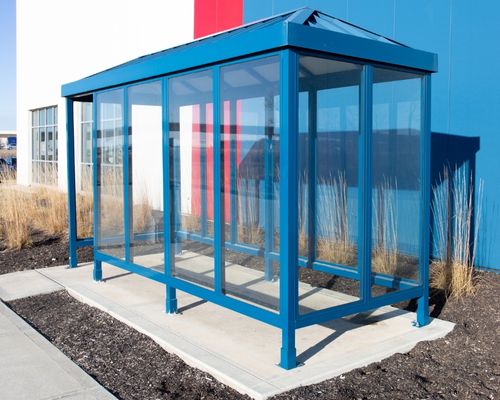
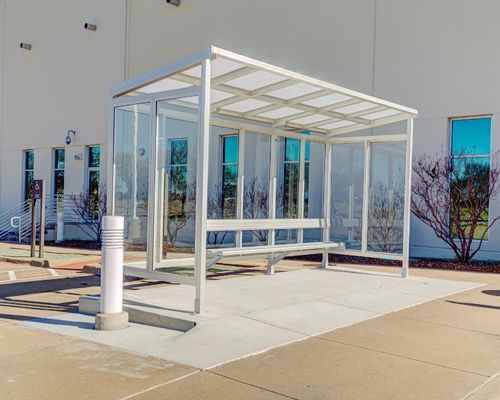
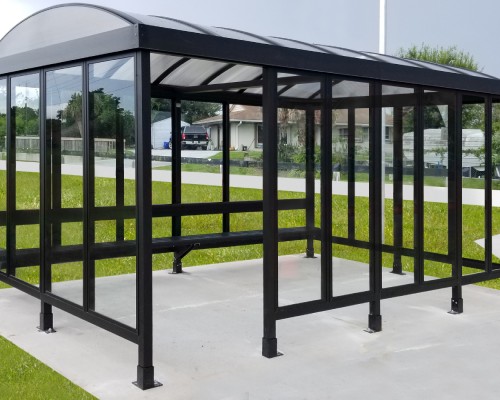
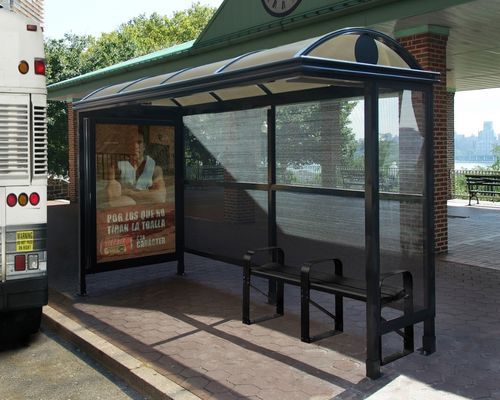
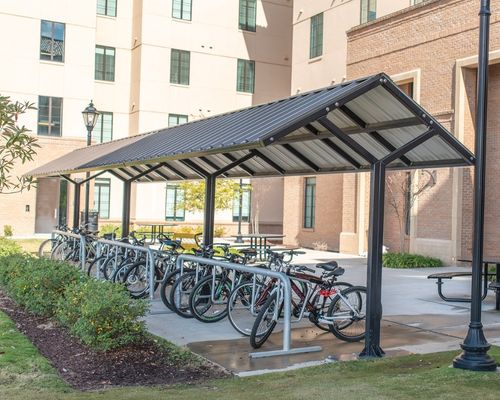
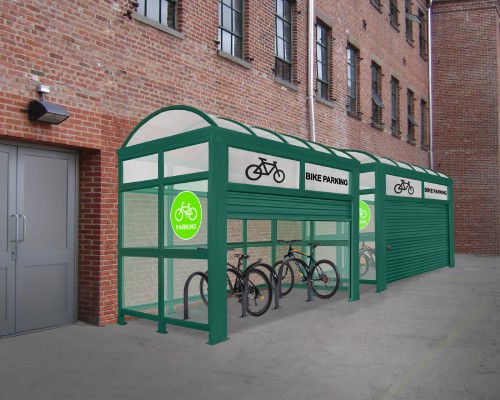
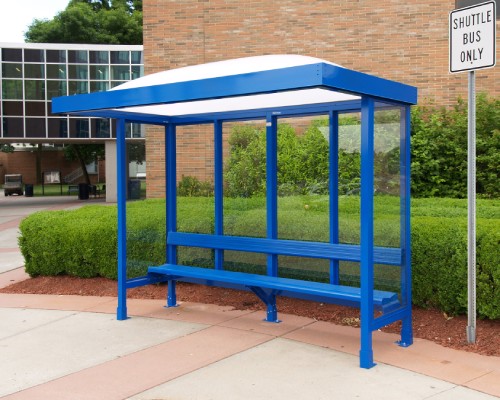
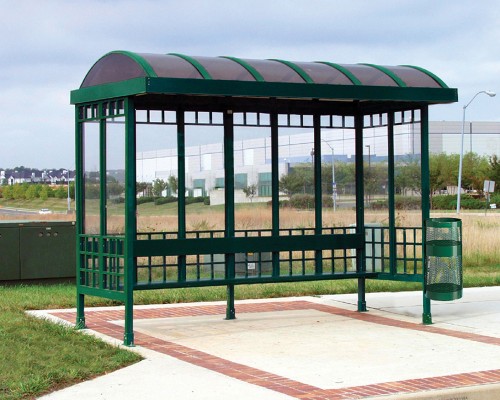
Apart from these specifications, a bus shelter design should be made of good material, so that it can resist the different weather conditions and provide maximum comfort to commuters. The modern-day bus shelters come in a wide variety of designs and sizes. While some might have a dome shaped roof others might have a single-slope or flat roof. However, pitched roof is ideal since it prevents rain water and snow collection on the bus shelters. Seating areas must also be thoroughly concerned while designing a bus shelter, since commuters would always like to have a pleasant waiting experience at a bus stop.

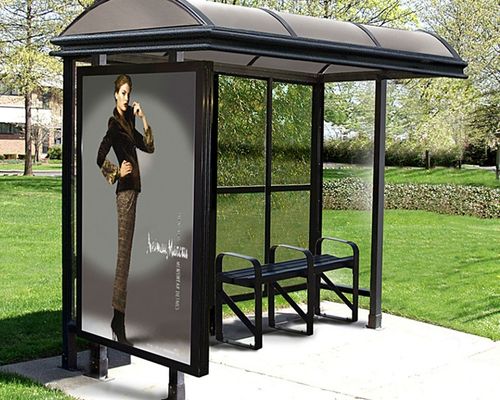
Some of the bus shelter designing would have space for advertisements as well, which not only makes the shelters attractive but also reduces the cost of installation and maintenance for civic authorities.

Apart from the design of bus shelter, the maintenance aspect should also be thoroughly considered before its installation. A clean city with well-designed bus shelters facilitating the public transport system would make life much easier.

Leave a Reply